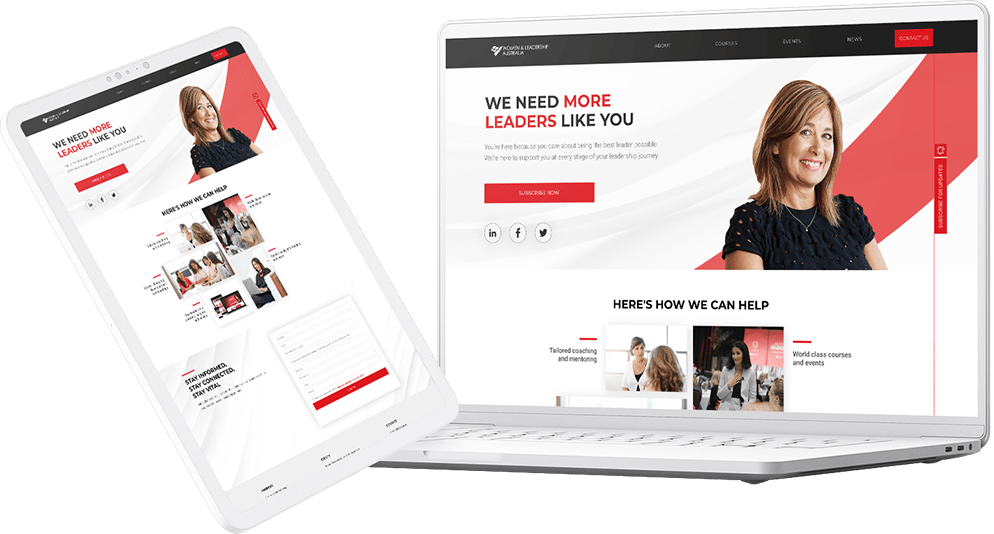
Leadership development courses
Our evidence-based programs combine best-practice leadership theory and practice.


High impact programs to accelerate your career, hone your skills and enhance your wellbeing.


World-class leadership development programs and customised support for your organisation.


Evidence-based leadership and wellbeing programs designed to support leaders and their schools thrive.






We support leaders at all levels
Our leadership development programs are highly regarded and designed to focus on real-world learning while incorporating the latest in leadership theory and practice.
Accelerate your career
Our high-impact programs give leaders the skills and strategies they need to lead with confidence.
Harness equity & inclusion
We centre inclusive leadership practices to drive better outcomes for individuals and organisations.
Personalised support
We provide psychologically safe and supportive learning environments so that everyone can thrive.

Hear from our graduates
For almost 20 years, we’ve been supporting leaders to achieve their goals and thrive in their workplaces. Hear how our programs helped them grow and succeed.
The Executive Ready program is so good, so impactful and so applicable that I am recommending it to our whole business. The course provides tangible techniques, tools and tips to excel at the leadership role you are in.
The ALP was a unique experience, unlike any previous development program I have attended. The principles and concepts explored were able to be put into practice back in the workplace.
In the news
Read the latest news, leadership insights and expert commentary articles.





Stay informed, stay connected, stay vital
Subscribe to our mailing list for the latest news, events and expert tips to support you on your leadership journey.